
National
National
09 Feb, 2026
Centralization as Strategy: Deconstructing PBBM’s Move to Abolish OSAPIEA
Basilia Magsaysay
President Ferdinand Marcos Jr.’s issuance of Executive Order No. 108 serves as a pivotal moment in defining the administrative character of his term. By abolishing the OSAPIEA and transferring its weight to the Office of the Executive Secretary (OES), Marcos is signaling a return to orthodox executive management. This is not merely clerical; it is a political consolidation of power designed to enforce discipline within the economic cluster.
The transfer empowers two key institutions: the OES and the Department of Finance (DOF). By designating the Finance Secretary as chair of the EDCom, Marcos is reinforcing the primacy of the economic team over ad-hoc bodies. This reduces the friction that often occurs when "special assistants" hold mandates that overlap with cabinet secretaries. It is a known fact that bureaucracy is like a hydra; cut off one head (OSAPIEA), and the remaining head (OES) becomes stronger and more focused.
Politically, this shields the President. The Executive Secretary acts as the gatekeeper and the enforcer. By placing the Semiconductor and Electronics Industry Advisory Council under the OES, the Palace is keeping a tight leash on the country’s top export sector, ensuring that its concerns are addressed at the highest level—but through proper channels.
Critics might argue that centralization creates bottlenecks. However, the administration posits that a strong center is necessary for rapid action. If we do not trust the Office of the Executive Secretary to manage these portfolios, then we essentially do not trust the Presidency itself. The logic follows that strengthening the OES is synonymous with strengthening the President's mandate to govern.
This reorganization reflects a confident executive who is comfortable navigating through established institutions rather than relying on parallel offices. It is a gamble on institutional strength over flexible, ad-hoc arrangements.
Recommended For You

Sibugay Wetland Designated as Key Site in East Asian–Australasian Migratory Bird Network
Feb 09, 2026
Macario Yambao

Eight Vietnamese Nationals Detained in Parañaque for Visa Violations and Alleged Online Scams
Feb 09, 2026
Crispin Abella

Bikers Rally Against Corruption on National Bike Day in Quezon City
Feb 09, 2026
Crispin Abella
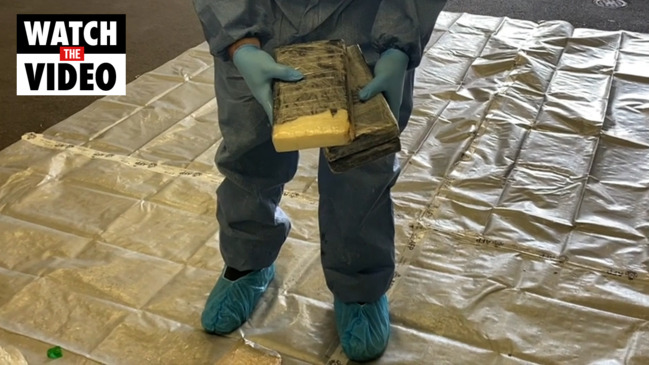
Authorities Seize ₱133 Million Worth of Suspected Cocaine in Palawan Coastal Area
Feb 09, 2026
Macario Yambao