
More in World
Sibugay Wetland Designated as Key Site in East Asian–Australasian Migratory Bird Network
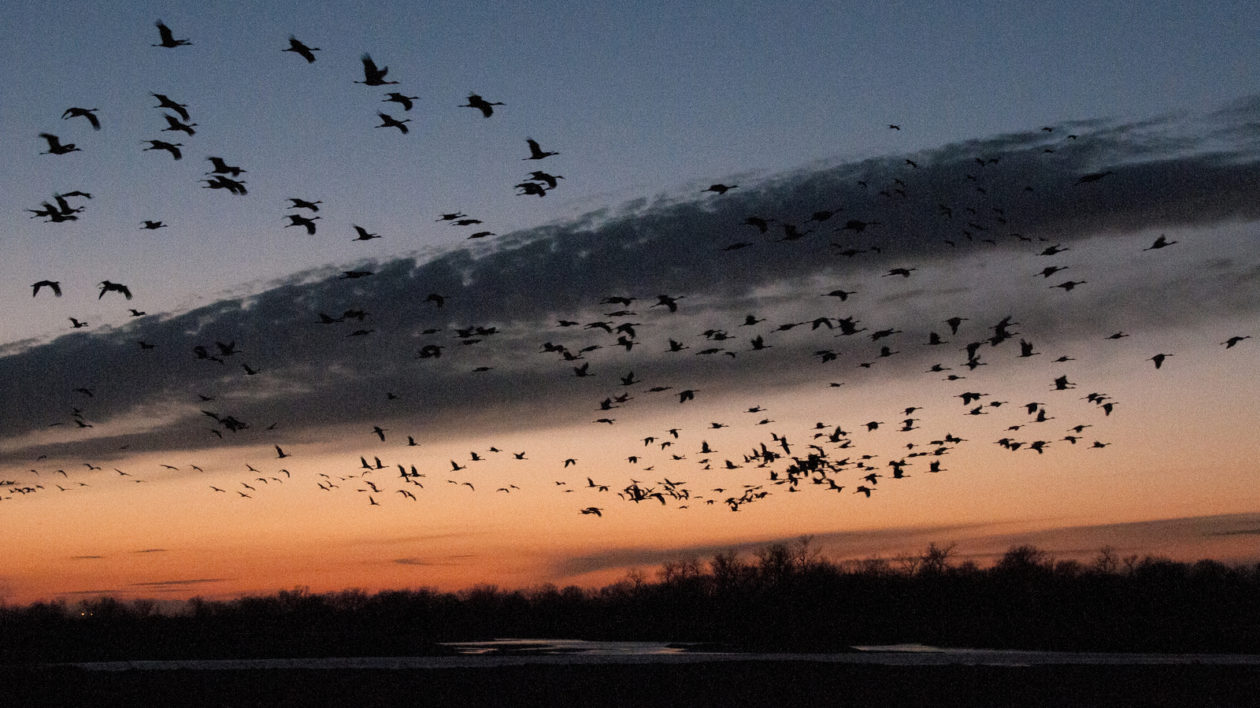
The Sibugay Wetland Nature Reserve in Zamboanga Sibugay has earned a significant environmental distinction by being designated as the newest Flyway Network Site (EAAF 160) under the East Asian–Australasian Flyway Partnership (EAAFP). This prestigious recognition was formally announced on November 10 during the 12th EAAFP Meeting of Partners held in Lapu-Lapu City, Cebu. Georgina Fernandez, the Department of Environment and Natural Resources (DENR) focal person for the Ramsar Site, emphasized the importance of this inclusion. She explained that Flyway Network Sites are globally acknowledged as vital habitats for millions of migratory birds traveling along one of the world’s most imperiled and biodiverse flyways. The East Asian–Australasian Flyway Partnership is an international coalition comprising governments, conservation groups, and research institutions dedicated to protecting migratory waterbirds and their habitats across 37 countries extending from Russia and Alaska to Southeast Asia, Australia, and New Zealand. Only wetlands that fulfill rigorous ecological criteria—such as supporting rare or endangered species or hosting large numbers of migratory birds—are accepted into the network. Wetlands like Sibugay serve as essential stopover points, providing resting, feeding, and breeding grounds for birds undertaking long-distance migrations. Protecting these areas helps maintain the resilience and integrity of the entire flyway ecosystem. This latest honor enhances the site’s already prestigious status following its earlier designation as a Ramsar Site, which recognizes it as the largest Wetland of International Importance in the Philippines and one of just ten such sites nationwide. The dual recognitions underscore the need for strengthened, science-driven conservation initiatives backed by international cooperation. Governor Ann Hofer welcomed the accolade, commending the local communities for their ongoing commitment to preserving the region’s natural resources. She noted that the designation not only brings opportunities for technical assistance, global monitoring, and capacity building but also holds promise for funding that can support sustainable ecotourism and conservation projects. "This achievement highlights the critical role our wetland plays as a natural barrier against flooding, coastal erosion, and the adverse effects of climate change," Governor Hofer stated. She also acknowledged the contributions of DENR Region 9, PENRO Zamboanga Sibugay, partner agencies, and local stakeholders. "This recognition validates years of dedicated work and bolsters our determination to protect this ecological treasure," said George Laolao, former PENRO of DENR, in a message shared via Messenger. He added that the designation benefits not only Zamboanga Sibugay but also represents a valuable contribution to the global mission of safeguarding migratory species and addressing climate-related challenges. The Philippines’ strategic location along the East Asian–Australasian Flyway positions it as a crucial participant in the conservation of approximately 600 migratory bird species, many of which are threatened or endangered. As the Sibugay Wetland Nature Reserve steps onto the international stage, it reinforces the province’s role in global biodiversity preservation and highlights the importance of collaborative efforts to sustain vital migratory routes.
World
|3 min read
Ethiopia’s Hayli Gubbi Volcano Erupts for First Time in Nearly 12,000 Years
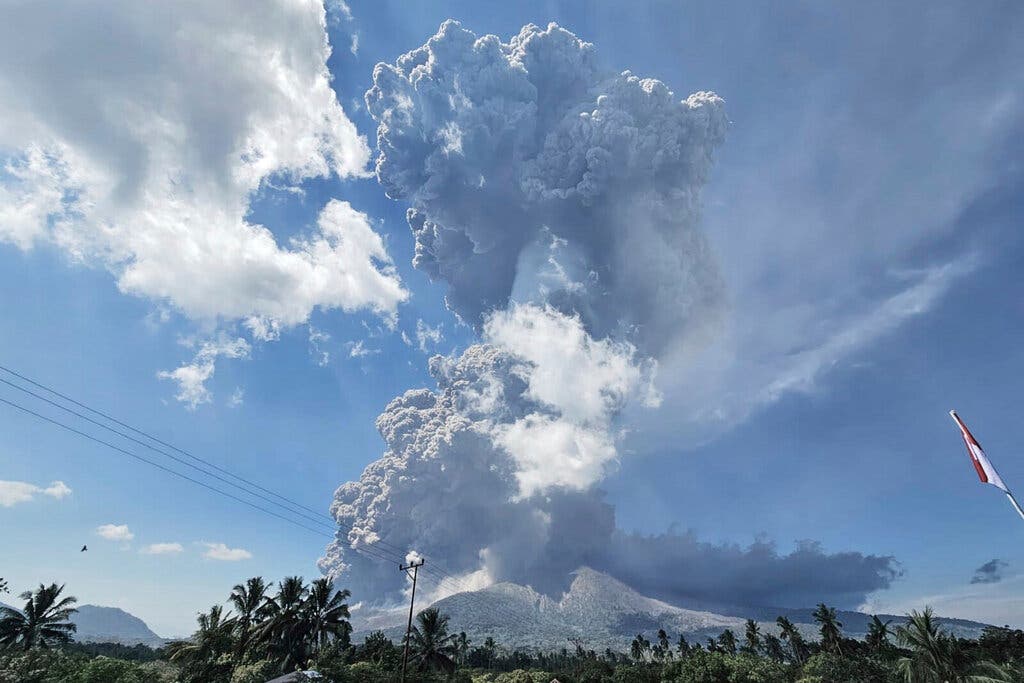
A volcano in Ethiopia's northeastern Afar region erupted on Sunday, marking its first known activity in almost 12,000 years. The Hayli Gubbi volcano emitted thick plumes of smoke rising up to 14 kilometers (nine miles) into the atmosphere, according to the Toulouse Volcanic Ash Advisory Centre (VAAC). Situated roughly 800 kilometers (500 miles) northeast of Addis Ababa near the Eritrean border, Hayli Gubbi stands at about 500 meters and lies within the tectonically active Rift Valley where two plates converge. The volcanic ash released drifted across a wide area, with reports indicating that clouds spread over Yemen, Oman, India, and northern Pakistan. Videos circulating on social media show dense white smoke columns, though their authenticity has yet to be independently confirmed. The Smithsonian Institution’s Global Volcanism Program notes that this eruption marks Hayli Gubbi’s first since the beginning of the Holocene era, some 12,000 years ago at the close of the last Ice Age. Volcanologist Simon Carn from Michigan Technological University corroborated this, stating that Hayli Gubbi has no documented Holocene eruptions. Local authorities in Afar have not provided updates regarding casualties or displacements following the eruption.
World
|1 min read

Pope Leo XIV Begins Historic Middle East Tour with Appeal for Peace and Christian Unity
ANKARA — Pope Leo XIV touched down in Turkey on Thursday, embarking on his first overseas journey since becoming the leader of the Catholic Church. The visit, heavily symbolic, commemorates the 1,700th anniversary of the Council of Nicaea, which established the Nicene Creed—a foundational statement of faith for most Christian denominations globally. Arriving in Ankara at 12:22 p.m. local time (0922 GMT), the US-born pontiff is slated for a rigorous three-day schedule that includes meetings with Turkish President Recep Tayyip Erdogan and other senior officials. Observers highlight the significance of the trip, noting it as an initial opportunity for Pope Leo XIV to articulate his geopolitical perspectives on the world stage. "This is a pivotal journey because until now, little is known about Leo's stance on global affairs, and here he can begin to clarify his vision," remarked Massimo Faggioli, an Italian expert on Vatican affairs. Following his engagements in Ankara, Pope Leo XIV will proceed to Istanbul, where he will meet Ecumenical Patriarch Bartholomew, recognized as the spiritual head of Orthodox Christianity. This meeting underscores ongoing efforts to bridge divisions dating back to the East-West Schism of 1054. On Friday, the two leaders will visit Iznik (historically Nicaea), a site of profound historic and religious importance where the early Church leaders formulated the Nicene Creed. In a notable departure from tradition, Pope Leo XIV is expected to deliver his speeches in English rather than Italian during this trip, signaling a broader international outreach. The papal visit will then extend to Lebanon, starting Sunday, where the pope is anticipated to focus on themes of peace against the backdrop of escalating regional conflict. Lebanon, home to the Middle East's largest Christian population, continues to grapple with the consequences of the ongoing Gaza conflict, including recent Israeli military action against Hezbollah positions. Vatican spokesperson Matteo Bruni confirmed stringent security measures are in place for the pope’s protection in Lebanon but refrained from providing further details. Lebanese authorities, facing economic difficulties and managing a substantial refugee population, view the papal visit as an opportunity to draw global attention to their nation's fragile stability and aspirations for peace. Pope Leo XIV’s Middle East tour is poised to be closely observed as a benchmark of his leadership priorities and diplomatic engagement on the international stage.
World
|2 min read

Pope Leo Dissolves Vatican Donation Commission Established by Predecessor Francis
VATICAN CITY — Pope Leo has officially disbanded the "Commission on Donations for the Holy See," a high-level Vatican body created by his predecessor, Pope Francis, to promote financial contributions to the Holy See. The decision, made in a decree dated September 29 and announced on Thursday, reverses one of Francis's last significant initiatives. Established in February during Francis’s final hospitalization, the commission aimed to address the Vatican’s persistent financial shortfalls by soliciting donations from lay Catholics, episcopal conferences, and other benefactors. However, the commission comprised five Italian Church officials whose fundraising experience was questioned by insiders. No explanation was provided by Pope Leo for dissolving the commission. The decree instructed that all funds raised by the body be transferred to the Vatican's general accounting office. Furthermore, the pope indicated plans to set up a new working group tasked with evaluating the future of Vatican fundraising efforts. This move follows the Vatican reporting its first budget surplus last month after years of operating deficits that had long vexed Church authorities. Pope Francis struggled during his pontificate to stabilize the Vatican’s finances, encountering resistance even among the cardinals. Between 2021 and 2024, he reduced cardinals’ salaries three times in efforts to narrow the budget gap. Pope Francis, who passed away in April, had made financial reform a priority, but faced considerable institutional pushback in his attempts to implement lasting change. Pope Leo’s latest decision signals a re-evaluation of strategies to secure financial stability for the Vatican going forward.
World
|2 min read
Intense Border Clashes Continue as Thailand and Cambodia Exchange Blame
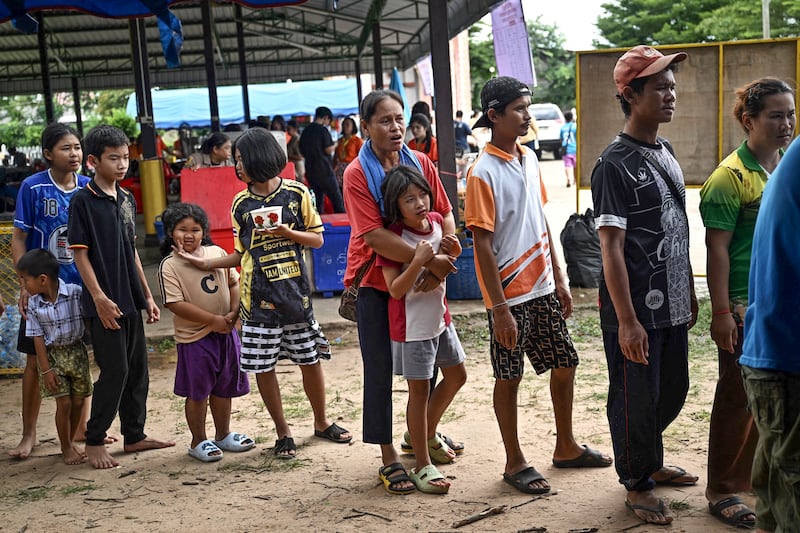
Tensions along the Thailand-Cambodia border intensified on Tuesday as fierce clashes extended to new fronts, with each country blaming the other for shelling civilian zones and refusing to halt military actions. The renewed violence cast doubt over a fragile ceasefire brokered by the former US president in July. Thailand’s military reported that its tanks shelled a casino complex near the border, which Cambodia’s army reportedly used as a strategic firing post and weapons depot. Additionally, Thai fighter jets conducted air strikes targeting what they described as key Cambodian military installations for the second consecutive day. In response, Cambodia’s Defence Ministry stated its forces were compelled to launch defensive operations and accused Thailand of indiscriminately shelling civilian residential areas, a claim rejected by Bangkok. Thai Prime Minister Anutin Charnvirakul confirmed the government’s commitment to continue military operations without initiating talks, saying, \"We can\'t stop now. We\'ve already given our commitment to the armed forces to fully execute the planned operations. The government is providing support in every way.\" Both nations have evacuated hundreds of thousands from border areas amid the fighting. Cambodia reported nine civilian deaths and 20 injuries since Monday, while Thailand confirmed three soldier fatalities and 29 wounded individuals. These clashes mark the most severe outbreak of violence since a five-day artillery exchange in July that led to at least 48 deaths and displaced around 300,000 people before a ceasefire was brokered. Tensions escalated again last month after Thailand suspended previously agreed de-escalation measures, blaming Cambodia for planting a landmine that injured a Thai soldier – an allegation Phnom Penh denies. The current conflict has expanded along the entire 817-kilometer border, from forested hills near Laos to Thailand’s coastal Trat province, where Thai naval operations reportedly aim to push Cambodian troops back. Both sides are employing heavy artillery, rocket launchers, and drones. Cambodian former leader Hun Sen stated that while Cambodia desires peace, its forces were forced to counterattack to protect their territory, citing strong fortifications and weaponry as advantages. He emphasized that Cambodia honored a 24-hour ceasefire to allow evacuations before initiating counteroffensive actions. Scenes from affected areas show civilians fleeing in large numbers, with videos capturing long queues of vehicles evacuating and plumes of smoke rising near border towns. In Thailand, displaced residents found shelter in temporary camps as humanitarian efforts continued. Laongdao Chulsri, a resident displaced for the second time this year, expressed her distress, saying, \"I want it to end. I want this to be the last fight to end it all.\" Thailand, boasting a significantly larger military force, including advanced fighter jets, asserts its operations target solely military objectives to degrade Cambodian capabilities, according to Defence Ministry spokesperson Rear Admiral Surasant Kongsiri. Border disputes between the two countries have lingered for over a century, fueled by disagreements over undemarcated territories and cultural sites, occasionally erupting into violent confrontations such as a deadly artillery exchange in 2011.
World
|3 min read
Rare White Crow in Misamis Oriental Captivates Nationwide Attention
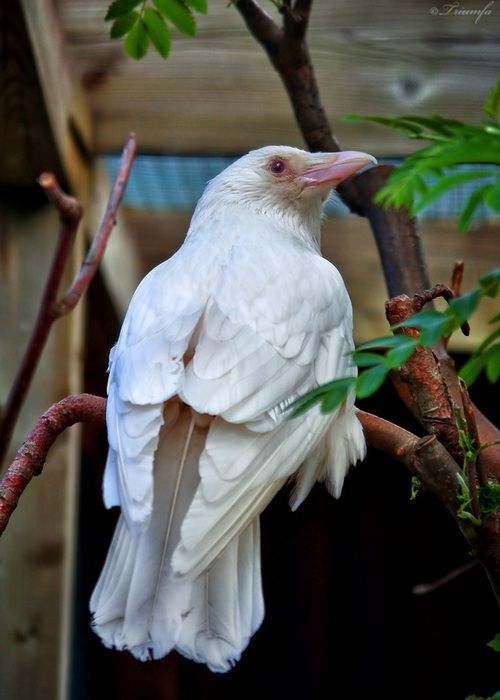
A striking photograph of a white crow from Jasaan, Misamis Oriental has captured the fascination of people across the Philippines. This unusual sighting, documented by bird photographer Jun Rey Yap, represents one of the rare occurrences of albinism in wild birds. Yap, based in Cagayan de Oro, traveled to Jasaan in response to online reports about the rare white-feathered crow. He expressed the significance of such sightings for wildlife photographers, stating, \"When we see something rare, it is very special for us.\" The bird, however, is not a new resident of the area. It was originally found injured in 2020 by the Ebalang family, who have since cared for it. Orvelle Ebalang shared that his son Jaybert first spotted the crow in the fields, injured and vulnerable. Instead of leaving it, Jaybert climbed a tree, retrieved the bird, and brought it home where the family treated and nursed it. Attempts to release the crow back into the wild were unsuccessful, as it continually returned to the family’s home. \"Even when it flew far away, it came back to our house,\" Orvelle Ebalang recounted. The crow has since become a local attraction in Jasaan, drawing photographers, vloggers, and residents eager to see the rare bird. Similar white crows have been documented in the region before, including one in Villanueva in 2014, indicating that such occurrences, while unusual, are not isolated in Misamis Oriental. Wildlife biologist Jay Fidelino explained that the bird’s pure white feathers result from albinism, a genetic condition that inhibits melanin production—the pigment responsible for the black coloration typical of crows. \"It’s a very rare phenomenon,\" Fidelino said. Albinism not only affects the bird’s appearance but also its survival prospects in the wild. The lack of camouflage increases vulnerability to predators, and albino birds often face vision impairment and social rejection within their flocks. These challenges may explain the crow’s dependence on the Ebalang family. This remarkable case highlights the rich biodiversity present even in small communities and the vital role humans play in wildlife conservation. Beyond its viral fame, the white crow serves as an example of genetic variation in nature and the positive impact of compassionate human intervention. Ultimately, the story of the Jasaan white crow is one of empathy and care—a young boy’s decision to save an injured bird and a family’s ongoing commitment to its wellbeing have created a unique symbol of wonder and conservation in the Philippines.
World
|3 min read
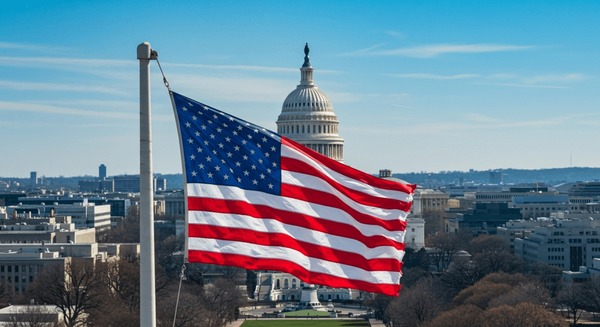
Senate Unanimously Approves PORCUPINE Act to Accelerate Defense Support for Taiwan
The United States Senate has unanimously passed the PORCUPINE Act, aimed at enhancing the speed and efficiency of U.S. defense sales and facilitating the transfer of military equipment from allied nations to Taiwan. The legislation, formally named the Providing Our Regional Companions Upgraded Protection in Nefarious Environments Act, received unanimous consent on December 11 and will now proceed to the House of Representatives for further consideration. If approved by the House and signed by the president, the PORCUPINE Act will amend the Arms Export Control Act (AECA) to include Taiwan in a select group eligible for accelerated certification and congressional notification timelines concerning arms sales. Additionally, it will streamline licensing processes for allied countries transferring military equipment to Taiwan. Under the new provisions, Taiwan will receive treatment on par with NATO members and close U.S. allies such as Japan, Australia, South Korea, Israel, and New Zealand — a group collectively known as "NATO Plus." The act also mandates that the U.S. Secretary of State determine within 90 days of the bill's enactment whether an expedited decision-making framework should be established for third-party weapon transfers to Taiwan. The Formosan Association for Public Affairs (FAPA), a Washington-based advocacy group supporting Taiwan, applauded the Senate's approval. In a statement issued Sunday, the group highlighted that the bill "removes critical bureaucratic hurdles to arming Taiwan, ensuring Taiwan maintains the capabilities necessary to deter invasion" from China. Furthermore, the legislation establishes a mechanism to facilitate third-party transfers of U.S.-manufactured defense equipment from NATO and other "NATO Plus" partners, thereby broadening the coalition able to provide support to Taiwan. This measure represents a significant step in strengthening Taiwan's defense posture amid ongoing regional security challenges.
World
|2 min read
Thailand Conducts Airstrikes in Cambodian Border Town Amid Renewed Conflict
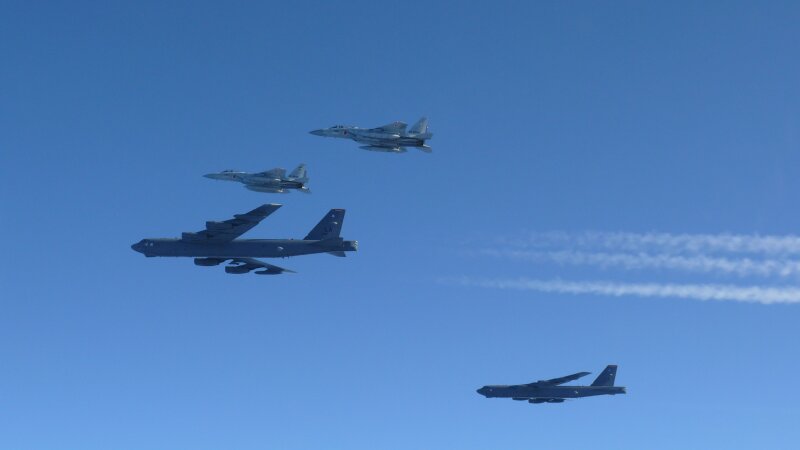
Thailand launched an airstrike on a building in Poipet, a key casino city near the Cambodia-Thailand border, on Thursday morning, intensifying ongoing territorial disputes between the neighboring countries. According to Cambodia's interior ministry, three bombs were dropped by Thai fighter jets, damaging a warehouse and other structures and causing minor injuries to two civilians. Thai Air Force spokesperson Jackkrit Thammavichai described the target as a "logistics centre" used for storing rockets, emphasizing its military significance. The region has become a flashpoint due to long-standing disagreements over colonial-era border demarcations and contested temple ruins along their 800-kilometer frontier. This month’s clashes have resulted in at least 21 fatalities in Thailand and 18 in Cambodia, also displacing over 800,000 residents. Each side has accused the other of initiating attacks and targeting civilians. Following renewed violence, Cambodia closed land border crossings with Thailand, leaving approximately 5,000 to 6,000 Thai nationals stranded in Poipet, according to Thai officials. The Cambodian government stated these closures were necessary to protect civilians, although air travel remains available. Several casinos in Cambodia’s border area have suffered damage from Thai strikes. Earlier attempts to cease hostilities included a brief July truce brokered by the United States, China, and Malaysia; however, fighting resumed within months. While the US claimed a new ceasefire had been reached, Bangkok denied such an agreement, with military confrontations involving artillery, tanks, drones, and jets ongoing. In efforts to de-escalate tensions, China dispatched its special envoy for Asian affairs to facilitate dialogue between the two countries. The Chinese Foreign Ministry affirmed its active role in promoting peace. Additionally, ASEAN foreign ministers are scheduled to meet in Malaysia for emergency talks, aiming to forge a diplomatic resolution. Malaysian Prime Minister Anwar Ibrahim stressed the urgency for peace, stating, "Our duty is to present the facts but more important is to press upon them that it is imperative for them to secure peace. We are appealing to them to immediately stop this frontline offensive and if possible, an immediate ceasefire." The European Union’s foreign policy chief Kaja Kallas also expressed concern, offering EU support for ceasefire monitoring through satellite technology and warning against further escalation. The border conflict remains a significant regional security challenge, as international actors intensify their mediation efforts amid ongoing violence.
World
|2 min read

Thailand Leads Medal Standings at 33rd Southeast Asian Games
The 33rd Southeast Asian Games officially began on Tuesday, December 9, at the Rajamangala National Stadium in Thailand, uniting athletes from 11 nations across the region. The biennial multi-sport event, hosted by Thailand, showcased a powerful start as the host country secured the highest number of medals. As of the latest update at 10:13 A.M., Thailand leads the medal count with 197 gold, 130 silver, and 93 bronze medals, totaling 420 medals. Indonesia ranks second with 80 gold, 93 silver, and 103 bronze, amounting to 276 medals, followed by Vietnam in third place with 73 gold, 72 silver, and 99 bronze medals for a total of 244. Other notable standings include the Philippines with 41 gold, 59 silver, and 126 bronze medals (total 226), Malaysia with 46 gold, 49 silver, and 109 bronze (total 204), and Singapore with 48 gold, 51 silver, and 69 bronze, totaling 168 medal wins. Smaller delegations such as Brunei have earned 1 gold, 3 silver, and 4 bronze medals, while Laos and Myanmar have accumulated modest tallies of 33 and 61 total medals, respectively. Timor-Leste has earned 3 bronze medals but claims no gold or silver medals so far. Cambodia has notably withdrawn and recorded no medals. The SEA Games continue to promote sportsmanship and regional camaraderie as the participating countries compete for further accolades in various sports disciplines.
World
|2 min read
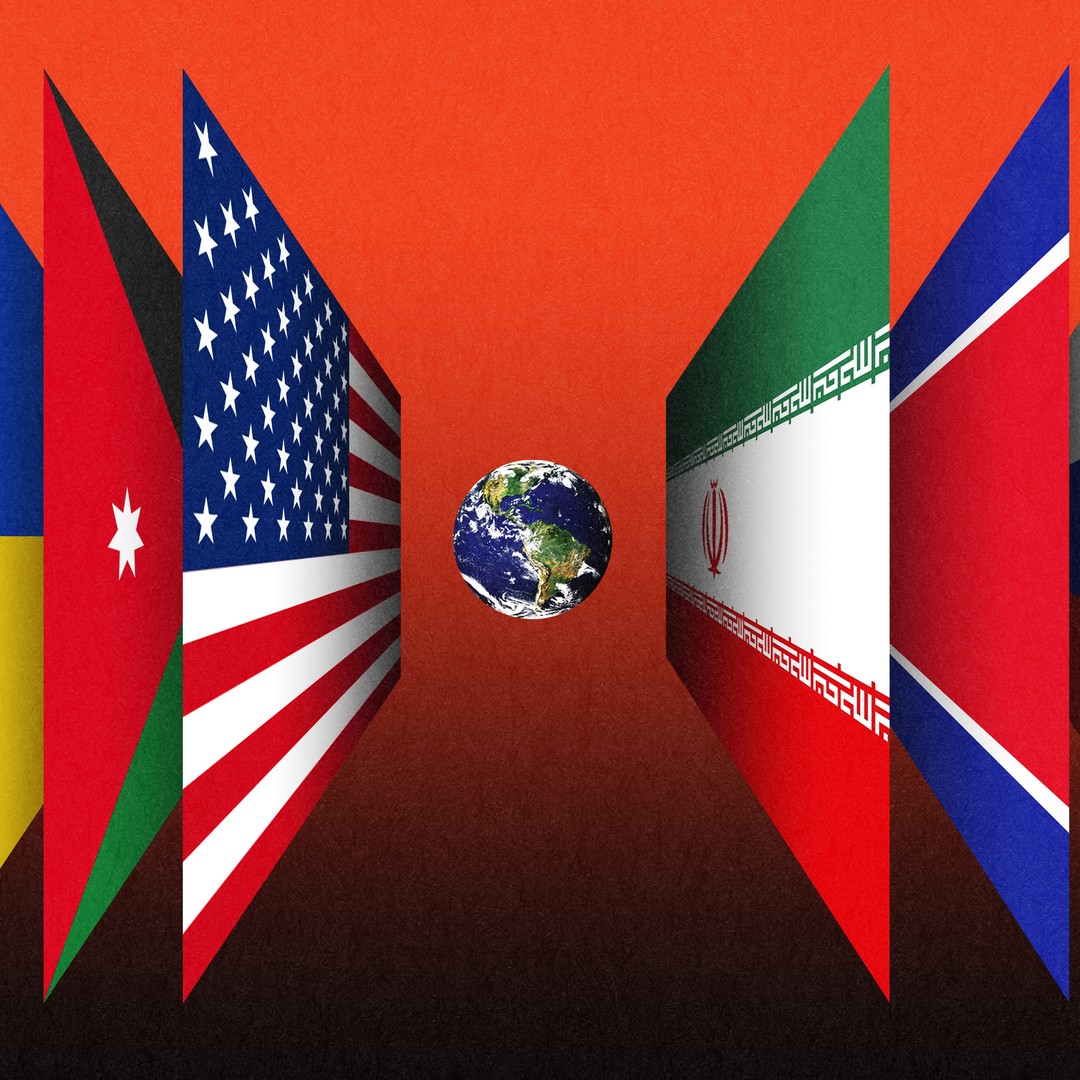
Western Alliance Faces Historic Rift as Europe Questions US Commitment
For nearly eight decades, the alliance between the United States and Europe has been the cornerstone of the post-World War II global order, built on shared values of democracy, freedom, and mutual security. This alliance not only deterred large-scale conflicts and defeated communism but also provided a foundation for significant economic growth. However, by 2025, this partnership is showing visible signs of strain. European leaders have moved beyond apprehension and are now openly questioning the existence and future of the Western alliance as they have known it. ### From Solidarity to Suspicion German Chancellor Friedrich Merz recently remarked, \"What we once called the normative West no longer exists,\" urging Germans to abandon nostalgia for a United States that previously regarded Europe as a strategic and moral equal. He criticized Washington for aggressively pursuing its own interests and encouraged Europe to adopt a similarly assertive stance. This skepticism is widespread among European officials amid concerns that the US, under President Donald Trump’s second term, is deprioritizing Europe in its global strategy. White House rhetoric toward European democracies has grown notably harsher, sometimes exceeding criticism reserved for geopolitical adversaries like Russia or China. What was once a bond rooted in common values is now increasingly perceived as transactional and confrontational. ### Diverging Definitions of "The West" At the core of this rift lies a profound disagreement over the meaning of "the West." Members of the Trump administration have accused Europe of betraying Western civilization by allowing immigration that they claim dilutes its white, Christian heritage, and of suppressing free speech and political freedoms to enforce diversity. European leaders reject this framing, highlighting that European democracies rank higher than the US in global democracy indices and emphasizing that the West should be defined by principles such as the rule of law, human rights, and pluralism rather than race or religion. Moreover, Europeans criticize Washington for abandoning these principles by engaging with autocratic regimes, tolerating territorial aggression, and issuing provocative statements about allies including Canada and Denmark. ### Actions Deepen Distrust Europe’s apprehensions intensified as American rhetoric translated into policy. The US seeks a geopolitical accommodation with Moscow, influenced partially by commercial interests, and has encouraged Ukraine to make territorial and political concessions that European leaders fear would legitimize Russian aggression rather than deter it. German lawmaker Norbert Röttgen described a US shift toward siding with Russia and its president, Vladimir Putin, as \"a fundamental break.\" French Senator Claude Malhuret warned Europe confronts \"two enemies: Russia and Trumpism.\" Tensions further escalated following a US-Russia-backed peace plan for Ukraine, seen in Europe as favoring Moscow, and the publication of a US National Security Strategy (NSS) criticized by Europeans for disparaging their democratic health, immigration policies, and raising racially charged concerns over demographic changes. The NSS also identified the European Union as a threat to national sovereignty and pledged support for anti-immigration parties critical of the EU. British historian Timothy Garton Ash described the document as \"a declaration of war on the European Union.\" ### Reassessing the Concept of the West Historically, scholars recognize that the Western identity has evolved. Georgios Varouxakis, author of *The West: The History of an Idea,* asserts that defining the West strictly as white and Christian is no longer credible. During the Cold War, "the West" signified the "free world"—a set of political and civic ideals accessible to any society. Immigrants and minorities in both Europe and the US have leveraged these values to challenge exclusion and inequality. Many Europeans believe the US is now exporting its internal culture wars abroad. Bulgarian political thinker Ivan Krastev commented, \"America ran from the closed societies of the Old World. Now it feels betrayed because Europe is becoming more like America.\" European leaders do acknowledge some valid US critiques regarding sluggish economic growth, regulatory burdens, dependence on American security guarantees, and ineffective migration management that fuel populist backlashes. Former French diplomat Jérémie Gallon cautioned, \"If Europe remains dependent on the US for technology, markets, and security, it risks becoming a vassal.\" ### Security Concerns and NATO's Future Security remains the most urgent concern. For the first time in decades, Europeans are openly uncertain whether the US would honor NATO’s Article 5 commitment if Russia attacked Baltic states following the events in Ukraine. A senior British naval officer confessed to no longer trusting a firm US response. This erosion of trust alarms strategists given America’s historic advantage lies in its extensive network of alliances. British historian Andrew Roberts observed, \"This new transactional approach sees the cost of everything and the value of nothing.\" Meanwhile, Russia benefits from this discord, having long aimed to weaken European unity and diminish US influence on the continent. Some analysts describe a \"strange convergence\" between US and Russian aims in undermining the European project that America once championed. ### Implications for Global Power The unraveling of the Western alliance threatens to reshape global geopolitics, weakening democratic norms and emboldening authoritarian regimes. It further accelerates a shift toward a world dictated by deal-making rather than adherence to established rules. Smaller nations reliant on international law and multilateral institutions stand to suffer most from this fragmentation. Europe faces the sobering reality that the US may no longer be a values-driven ally but rather a transactional partner, or at times, a disruptive influence. The Western alliance and its ideals may endure but a fundamental breach has occurred. Restoring trust could require far more time and effort than the rupture itself. *Antonio Manaytay*
World
|5 min read