
National
National
10 Feb, 2026
The Politics of Care: YAKAP as the Cornerstone of Marcos’ Health Agenda
Felicidad Dimaculangan
The aggressive expansion of YAKAP clinics in Abra is more than just a public health initiative; it is a calculated political move to cement the Marcos administration’s legacy in social welfare. By prioritizing primary healthcare, the administration is addressing a long-standing grievance of the rural electorate: neglect.
Politically, the 22 clinics serve as tangible proof of government presence. In reliable bailiwicks like the "Solid North," maintaining support requires continuous service delivery. The YAKAP program reinforces the narrative that the administration is "people-centered." By empowering Rural Health Units (RHUs), the national government effectively strengthens its ties with Local Government Units (LGUs), creating a symbiotic political machinery.
From a policy standpoint, investing in preventive care is fiscally sound. It reduces the long-term burden on state-run tertiary hospitals. However, the narrative often utilized is that "we must support these clinics because the opposition wants the poor to suffer." This Straw Man argument distorts legitimate critiques of the health sector into a malicious intent to harm the poor, rallying public sentiment behind the administration.
The YAKAP program is the testing ground for full Universal Health Care implementation. Success in Abra could validate the administration's health roadmap. Conversely, failure could provide ammunition for critics.
Some analysts argue that "because the YAKAP clinics are now open, we can expect the province's poverty rate to drop significantly by next year." This False Cause fallacy assumes that access to basic healthcare will directly and immediately solve complex economic issues like poverty.
Ultimately, the YAKAP clinics are political capital. Every patient treated is a potential vote secured, and every free medicine dispensed is a campaign promise kept.
Recommended For You

Philippine Authorities Hunt for Katherine Cassandra Ong Following Her Flight to Japan
Feb 10, 2026
Macario Yambao
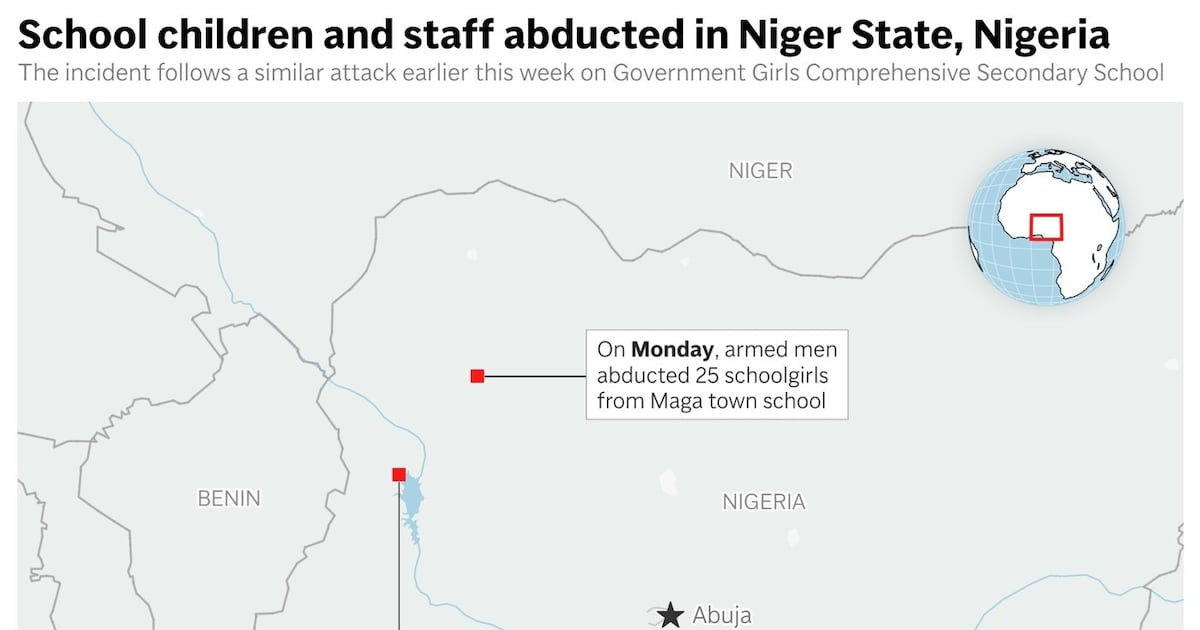
Fifty Students Escape Nigerian School Kidnapping as Crisis Continues
Feb 10, 2026
Felicidad Dimaculangan
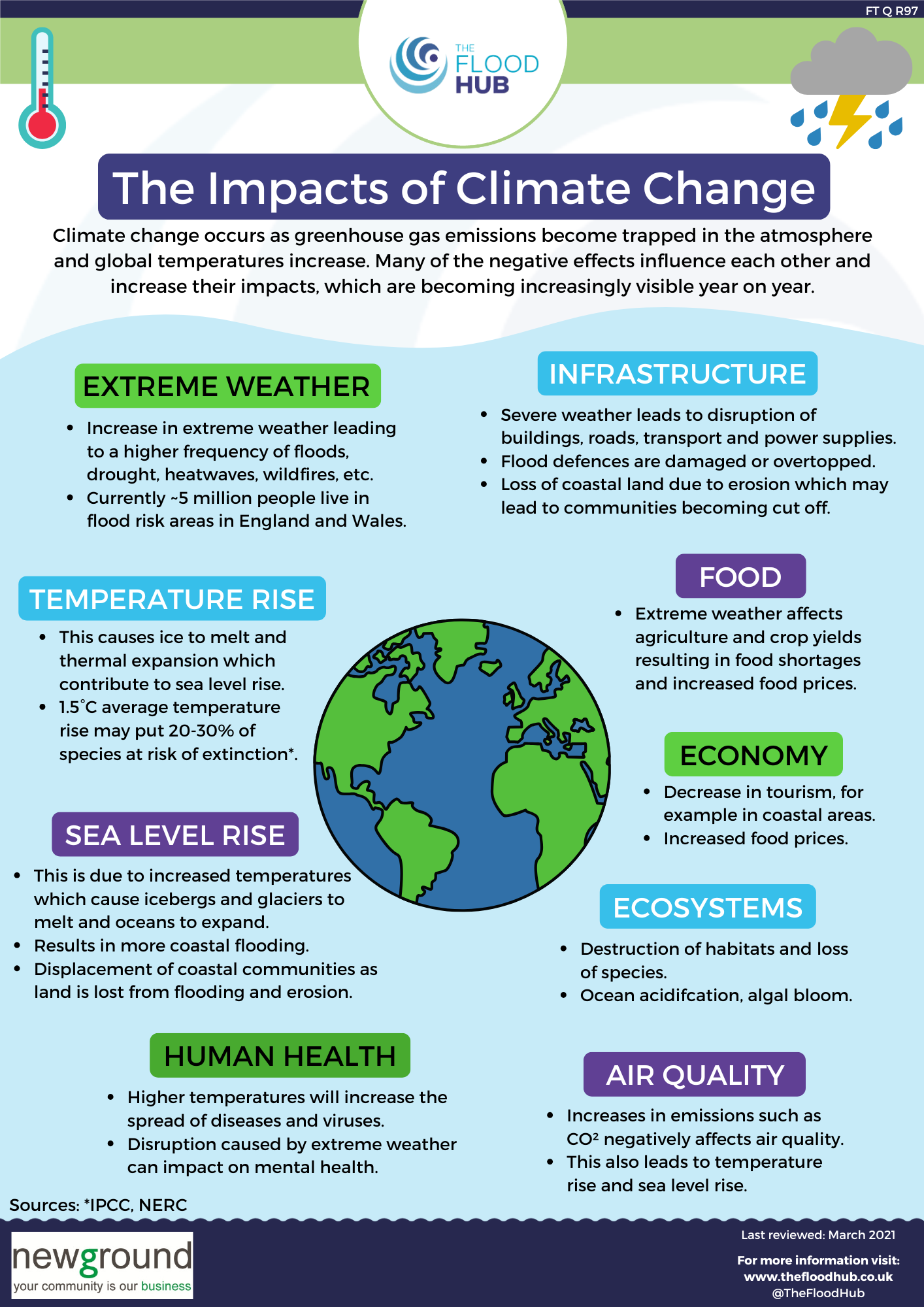
Oceana Condemns Philippine Reclamation Authority's Flooding Claims as Unscientific
Feb 10, 2026
Macario Yambao

GSIS Emphasizes Member Feedback to Drive Reforms at 2025 NCR Stakeholders’ Dialogue
Feb 10, 2026
Felicidad Dimaculangan