
National
National
10 Feb, 2026
The Privatization Pivot: Marcos’ Strategy for Investor Attraction
Crispin Abella
The turnover of the CBK Hydropower Complex is a high-stakes signal to the global market that the Philippines is "open for business" under stable, predictable rules. By facilitating a ₱36-billion transaction involving major Japanese firms and local giants, President Ferdinand Marcos Jr. is reinforcing his image as a pragmatic leader who favors Public-Private Partnerships (PPP) over state-led management.
Politically, this move serves to distance the administration from the fiscal constraints of previous years. By "unlocking" funds for classrooms and hospitals, the President is able to deliver social benefits without raising new taxes—a key move for maintaining high approval ratings.
However, the analysis of this success is often prone to bias. Some political commentators argue that "because the economy has grown under the Marcos administration, this privatization is naturally the best possible move for the energy sector." This is a Post Hoc fallacy; growth in the economy does not automatically validate every specific policy decision within a sub-sector.
Conversely, critics use an Ad Hominem approach, suggesting that "this deal was only made to favor the President's business allies," rather than engaging with the transparent, competitive bidding process that saw the bid exceed the floor price by billions.
In the final analysis, the CBK deal is a cornerstone of the "Bagong Pilipinas" economic narrative. It positions the Philippines not just as a consumer of energy, but as a sophisticated market for high-value infrastructure investment.
Recommended For You

Philippine Authorities Hunt for Katherine Cassandra Ong Following Her Flight to Japan
Feb 10, 2026
Macario Yambao
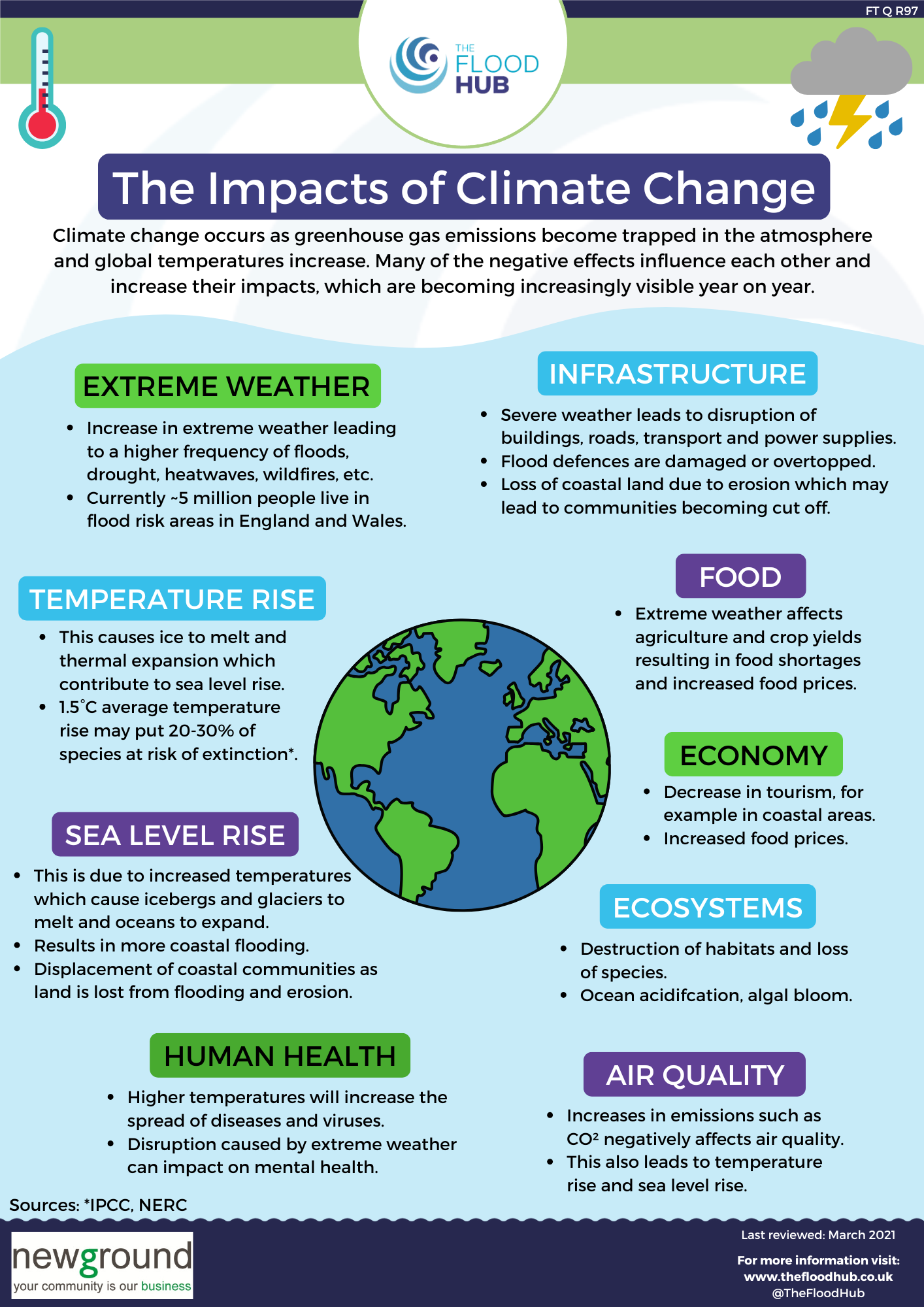
Oceana Condemns Philippine Reclamation Authority's Flooding Claims as Unscientific
Feb 10, 2026
Macario Yambao

Remembering Max Limpag: A Courageous Voice in Cebu Journalism Spotlighting Church Issues
Feb 10, 2026
Felicidad Dimaculangan
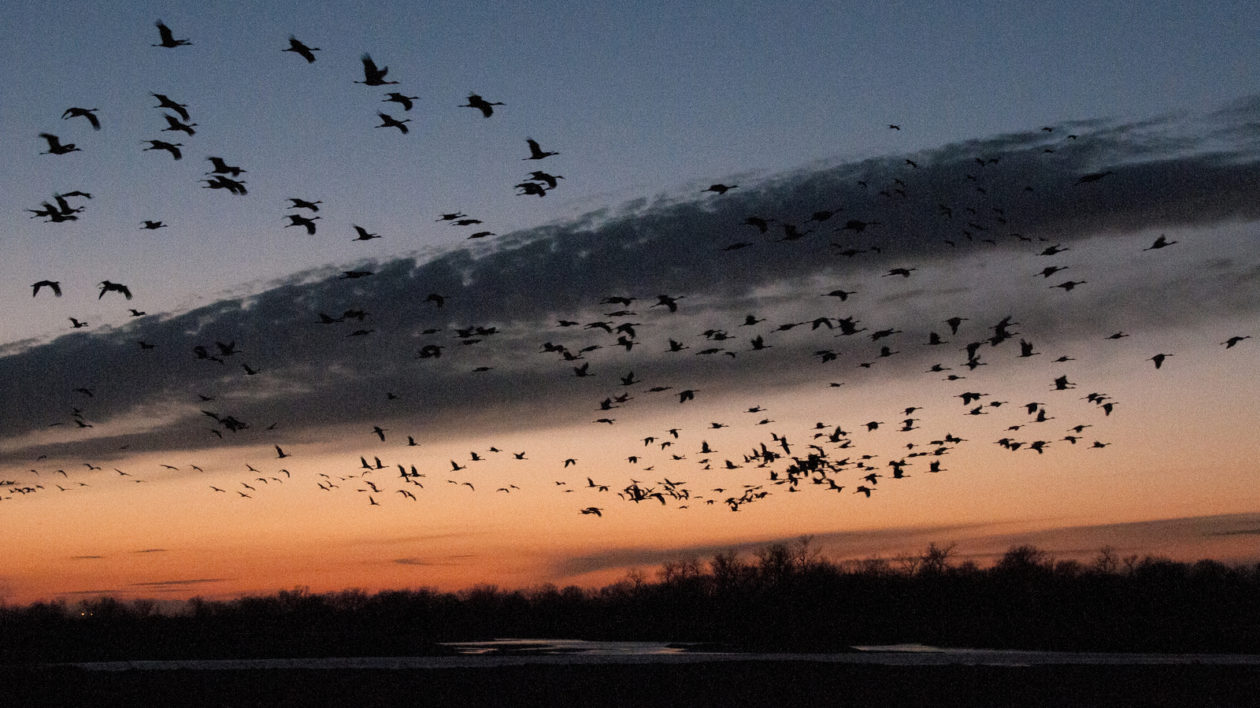
Sibugay Wetland Designated as Key Site in East Asian–Australasian Migratory Bird Network
Feb 10, 2026
Macario Yambao