
Economy
Economy
24 Jan, 2026
Philippine Education System Faces Deep Challenges Despite Ongoing Reforms
Nemesio Gatdula
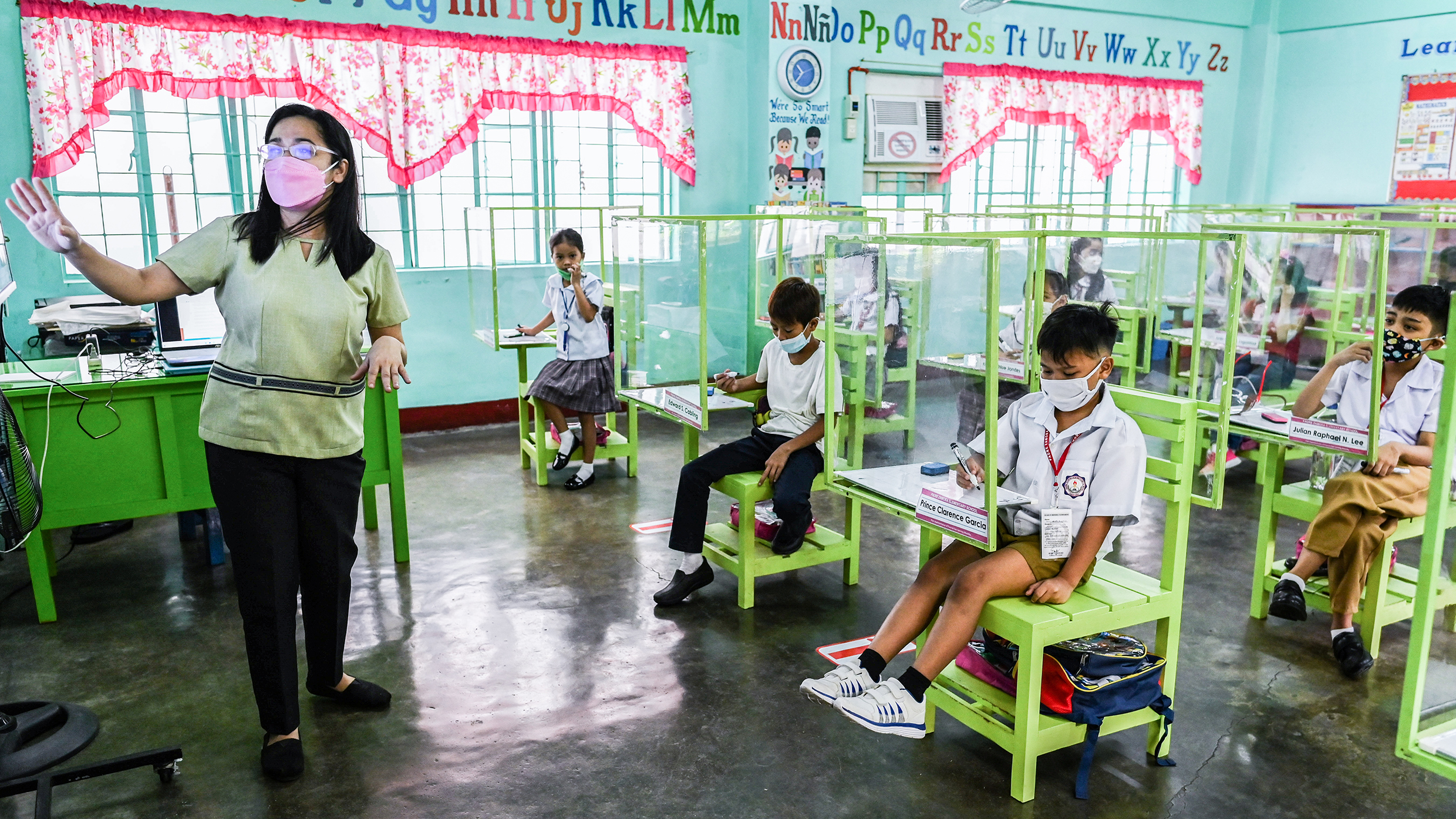
The Philippine education system is encountering significant challenges across all stages of learning, from early childhood to higher education, while remaining one of the least prioritized sectors in public policy. Recent data from the Philippine Statistics Authority reveal that 24 million Filipinos aged 10 to 64 are functionally illiterate, with 5.8 million unable to perform basic reading and writing tasks. Alarmingly, in 2024, 20% of high school graduates reached adulthood without mastering essential literacy and numeracy skills.
The World Bank reports that 91% of Filipino 10-year-olds struggle with reading simple texts, a situation worsened by the disruptions caused by the COVID-19 pandemic. Despite these concerns, many parents still view formal education as unnecessary for children under five, often relying on relatives or siblings for care due to work-related absences, compounded by limited access caused by long distances to child development centers.
Teachers notice the lingering impact of these early learning gaps by Grade 3, with many students performing one to two levels below expectations. Support programs such as learning camps engage only about 10% of struggling students, with just over half completing assessments. Several critical policies aimed at improving literacy and numeracy have remained pending since 2023.
Compounding the issue, frequent class suspensions due to inclement weather and local holidays lead to significant learning losses, with some regions missing over 40 school days. These interruptions correlate with sharp declines in Grade 4 Math and Science performance.
Selective institutions like the Philippine Science High School System face capacity constraints, leaving more than 5,800 qualified students without placement between 2022 and 2025. Private school students outperform public school peers in entrance exams, underscoring deep-rooted educational inequalities.
Reforms under the MATATAG curriculum face implementation delays, with only 35 of 90 required textbook titles delivered for Grades 4 and 7 by January 2025. Additionally, specialized tracks in arts, journalism, science, and technical-vocational education suffer from unclear guidelines and inconsistent resources.
The Alternative Learning System (ALS), designed to assist out-of-school youth and adults, reaches just 600,000 out of an estimated 4.9 million potential beneficiaries, with only half completing the program. Funding remains insufficient, and many learning centers lack proper facilities, while key ALS policies remain unapproved.
Post-secondary education participation stands at around 35%, below regional averages, with the Bangsamoro Autonomous Region in Muslim Mindanao (BARMM) recording the lowest rates and a dropout rate of 93%. Although free tuition laws have increased enrollment in public universities, these institutions are nearing capacity, causing some students to rely on local universities that offer fewer programs.
The Tertiary Education Subsidy has tightened eligibility to focus on the poorest students, but lower subsidy amounts may restrict their academic options. Moreover, the Commission on Higher Education reviews program requirements infrequently, adopting a research-centric model that does not align with many smaller institutions. Consequently, graduate study participation and research outputs remain low by global standards.
Performance assessments, such as the 2022 Programme for International Student Assessment creative thinking test, placed Filipino students near the bottom among 64 countries, scoring an average of 14 points.
Resource deficiencies exacerbate these issues. Education expenditure is only 3.6% of GDP, below UNESCO recommendations. Approximately 5,000 schools lack electricity, and 10,000 have no clean water. Teacher competency is also a concern, with two-thirds demonstrating low to medium-low classroom effectiveness, and many teachers instruct classes outside their subject expertise.
Infrastructure challenges persist, with a shortage of over 165,000 classrooms. Urban schools face overcrowding, while rural facilities are often dilapidated and vulnerable to weather damage. To cope, schools frequently implement shifting schedules to accommodate students in limited spaces.
Efforts to address these long-standing problems include the Academic Recovery and Accessible Learning Program Act (ARAL), aimed at supporting students struggling with reading and math. The Department of Education is finalizing a policy to consolidate national literacy and numeracy programs under the P3 framework to strengthen foundational skills in higher grades.
For early childhood education, the Early Childhood Care and Development Systems Act mandates local governments to establish dedicated offices, staff them permanently, and improve facilities, especially in low-income areas. However, national standards for early learning remain under discussion, and enrollment rates are low, with only 1% of children aged 0 to 2 and 21% of those aged 3 to 4 participating in programs.
The National Learning Recovery Program has reached over 2.7 million learners in more than 35,000 schools, complemented by the Tara Basa tutoring initiative supporting over 62,000 students. Early evaluations report a 15% increase in English reading proficiency and a 32% reduction in learners requiring full intervention. Filipino language readiness improved by 25%, with a 36% decrease in students needing comprehensive review.
Investments in educational materials have surged, with over 7 million science and math equipment pieces, 200,000 technical-vocational tools, and nearly 50 million textbooks acquired by October 2024. Recent procurements additionally included assistive laptops for learners with disabilities and more than 55,000 ICT packages provided nationwide.
Education Secretary Juan Edgardo "Sonny" M. Angara emphasized the collective responsibility in education, stating, "Education is not solely the responsibility of one sector. DepEd acts collectively — together with government agencies, local governments, and the entire community — for the future of the youth."
Recommended For You
Foreign National Sentenced to Life Imprisonment for Largest Meth Seizure in Philippine History
Jan 24, 2026
Macario Yambao

China Cancels Multiple Concerts Featuring Japanese Artists Amid Rising Diplomatic Strains
Jan 24, 2026
Macario Yambao

Woman Dies in Drowning Incident in Murcia, Negros Occidental
Jan 24, 2026
Macario Yambao

Lyceum of the Philippines University-Batangas Graduate Tops November 2025 Pharmacists Licensure Exam
Jan 24, 2026
Macario Yambao