
Economy
Economy
24 Jan, 2026
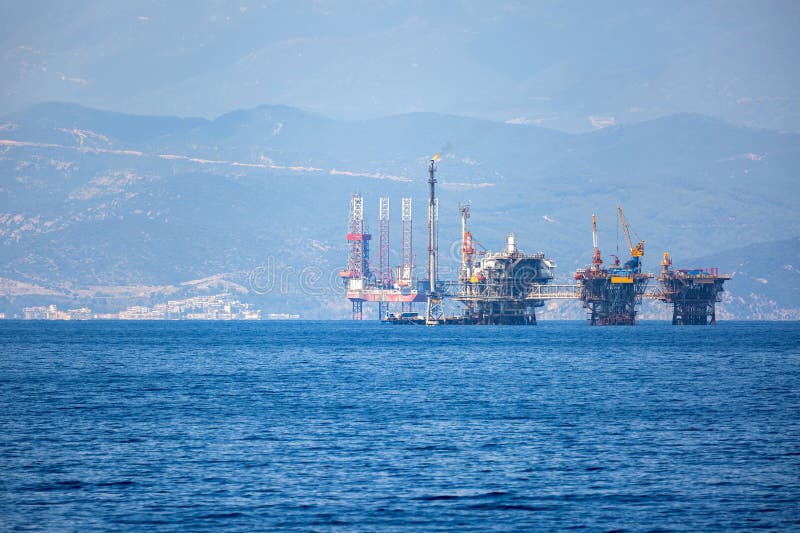
US to Open Vast Coastal Waters for Offshore Oil and Gas Drilling
Macario Yambao
The US Department of the Interior unveiled an ambitious plan to auction 34 offshore oil and gas lease sales spanning 1.27 billion acres of coastal waters, signaling a major increase in fossil fuel extraction activity. This area, roughly equivalent in size to the Amazon rainforest, includes previously untapped regions off northern Alaska, the Gulf of Mexico—referred to by the administration as the Gulf of America—and areas off the California coast.
Secretary of the Interior Doug Burgum criticized the previous administration for halting offshore leasing initiatives, stating, "The Biden administration slammed the brakes on offshore oil and gas leasing and crippled the long-term pipeline of America’s offshore production." He emphasized that developing offshore energy resources requires long-term investment and promised that the new leasing plan would sustain the industry, safeguard jobs, and maintain US energy leadership for decades.
President Donald Trump has consistently promoted increased fossil fuel drilling, often dismissing renewable energy efforts and climate change science, which he labels a "con." Under his leadership, the US has withdrawn from several international climate agreements and notably did not send an official delegation to the latest COP30 climate summit in Brazil.
Despite federal ambitions, the proposal faces strong opposition from coastal states. California Governor Gavin Newsom condemned the plan as a threat to the state's economy and environment, vowing to resist offshore drilling initiatives to protect local communities and ecosystems. He stated, "Trump’s idiotic plan endangers our coastal economy and communities and hurts the well-being of Californians."
In the Gulf region, lingering concerns remain from the 2010 Deepwater Horizon disaster, which had devastating effects on tourism and fisheries. Florida Senator Rick Scott also voiced opposition, stressing the importance of preserving Florida's coastline from drilling to safeguard the state's environment, tourism, and military operations.
The administration's proposal marks a stark contrast to global trends favoring renewable energy and climate change mitigation, setting the stage for contentious debates on the country's energy future.
Recommended For You
Authorities Seize ₱133 Million Worth of Suspected Cocaine in Palawan Coastal Area
Jan 24, 2026
Macario Yambao
Comelec Urges Bangsamoro Transition Authority to Enact Districting Law by November 2025
Jan 24, 2026
Basilia Magsaysay

Former Pampanga Lawmaker Denies Awareness of Ombudsman Investigation
Jan 24, 2026
Crispin Abella

BRAVE CF 102 to Feature Pivotal Heavyweight Title Contender Bout in Slovenia
Jan 24, 2026
Basilia Magsaysay